
Clinical Training Concepts
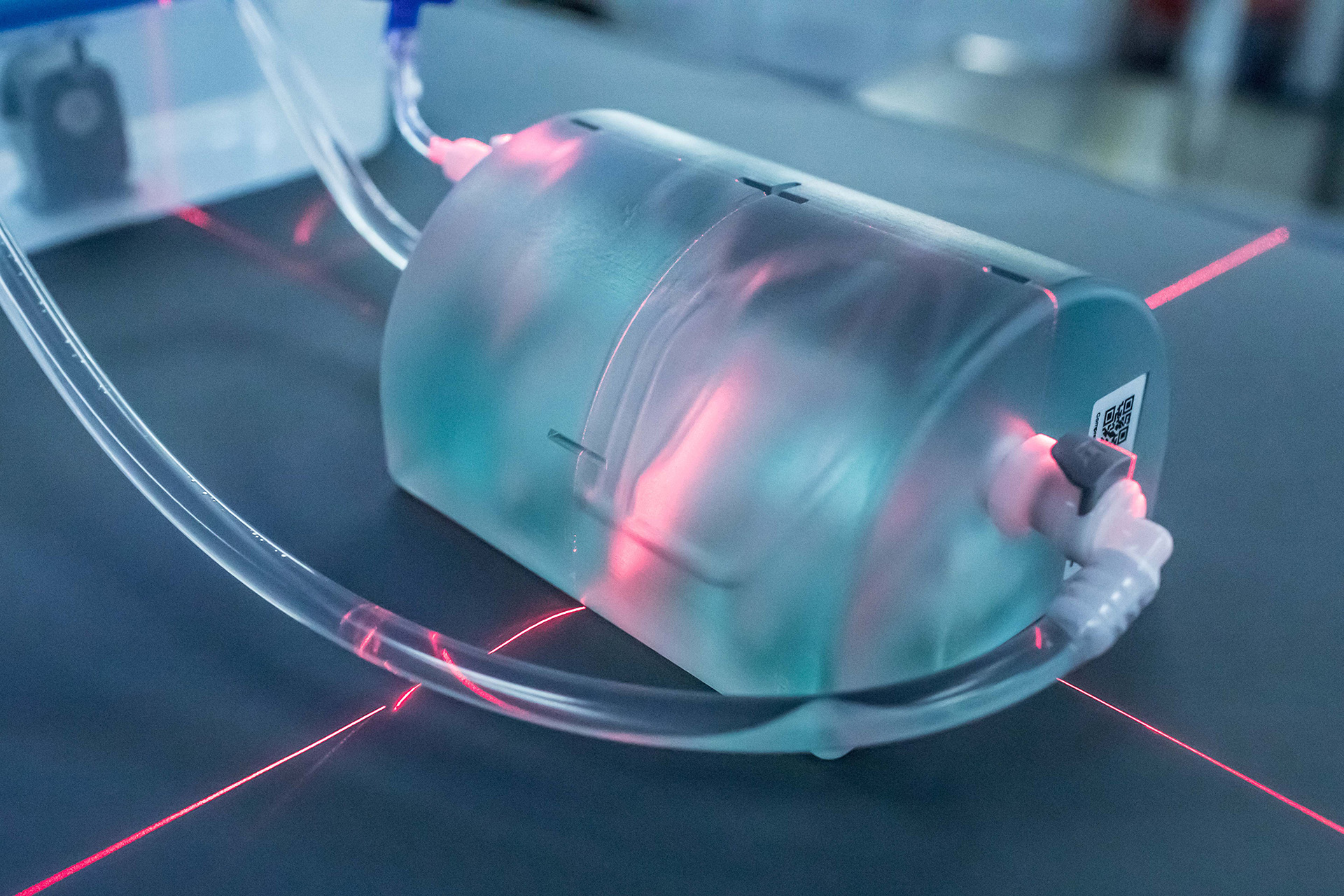
Comprehenso develops training concepts based on physical phantom systems for medical imaging and interventional procedures.
The training concepts are designed for hands-on training outside the clinical environment and enable practical experience with systems, medical devices, and materials under controlled conditions.
They are developed with a clear focus on real-world application, clinical workflows, and didactic principles to maintain motivation and support effective learning.
Explore Training Concepts
Our training concepts cover three key Application Areas of interventional medicine. Each area offers specialized modules for hands-on skills development.

Imaging
Train safe operation of angiography systems and systematic image acquisition for diagnostic precision.

Endovascular Interventions
Practice catheter-based procedures on realistic vascular phantoms—from navigation to intervention.

Percutaneous Interventions
Learn and deepen puncture techniques and image-guided needle navigation under controlled conditions.
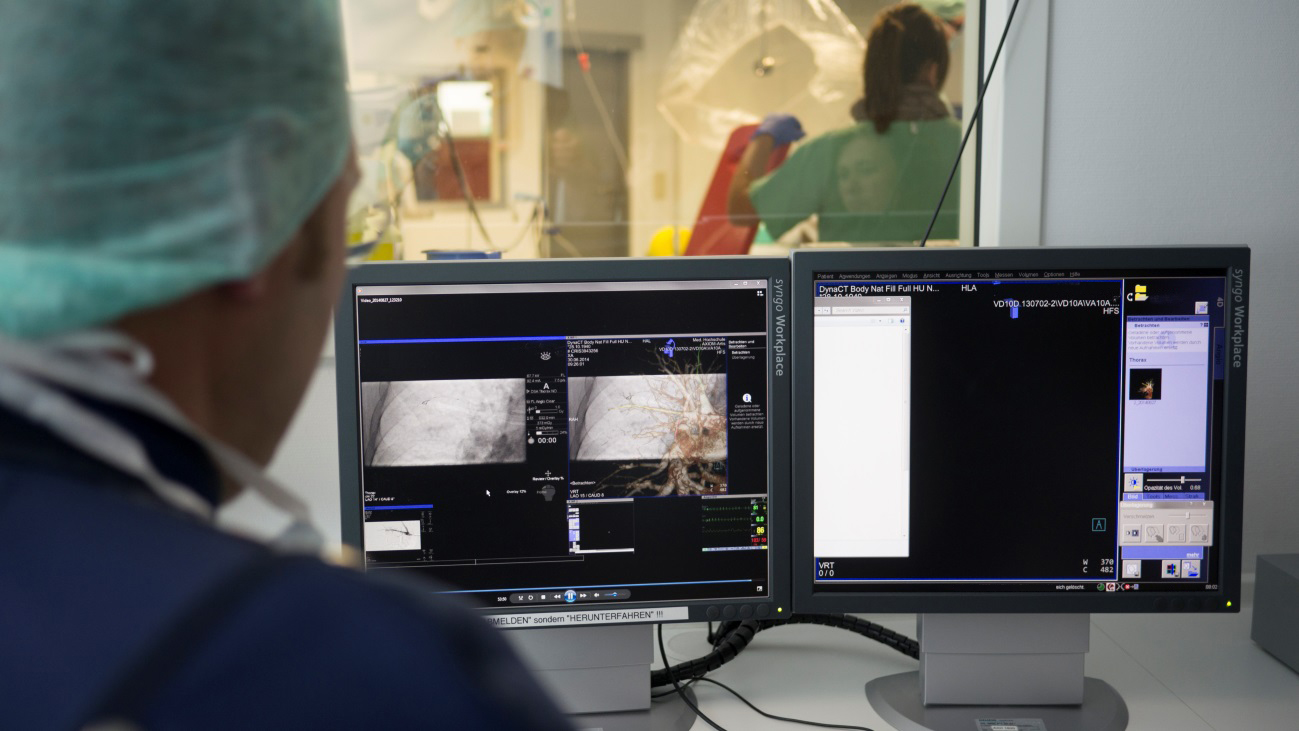
Application Areas
Training concepts for Imaging, endovascular interventions, and percutaneous interventions
The training concepts address different Application Areas in medicine, including imaging and interventional procedures.
Current training concepts include Imaging, endovascular interventions, and percutaneous interventions. Each Application Area is represented by its own training platform, tailored to the respective requirements.
Training Approach
Safety through simulation
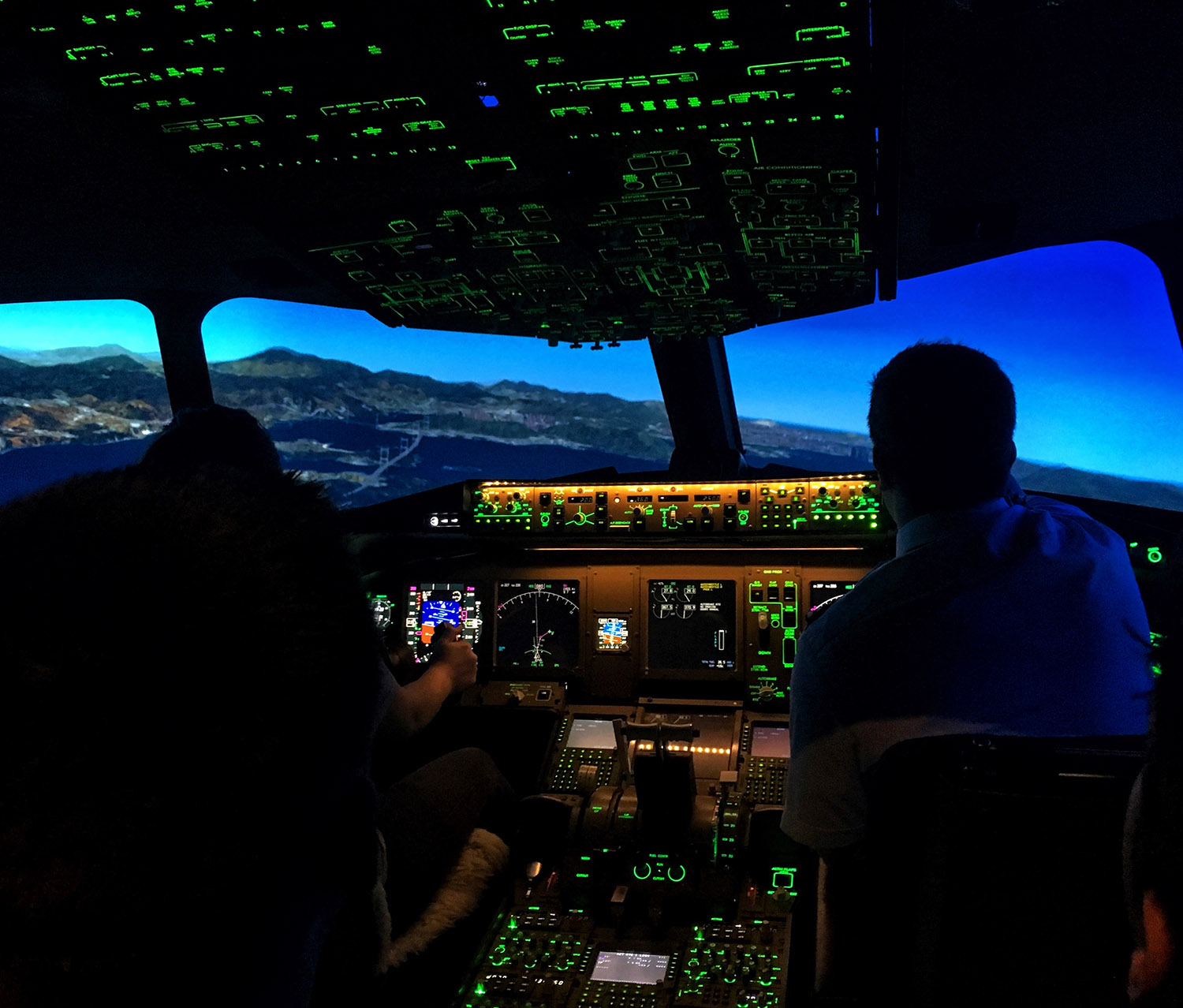
The training concepts focus on practical use, workflow-oriented training, and realistic handling of systems and materials.
By combining physical phantom systems with application-oriented scenarios, users can develop routine handling skills and build a deeper understanding of procedural workflows before working on patients.
Skills Development
From Training to Application
Training concepts are developed with the aim of transferring the skills acquired during training directly into clinical practice.
The focus is on understanding workflows, safe handling of systems and medical devices, and the structured and predictable use of image-based information.